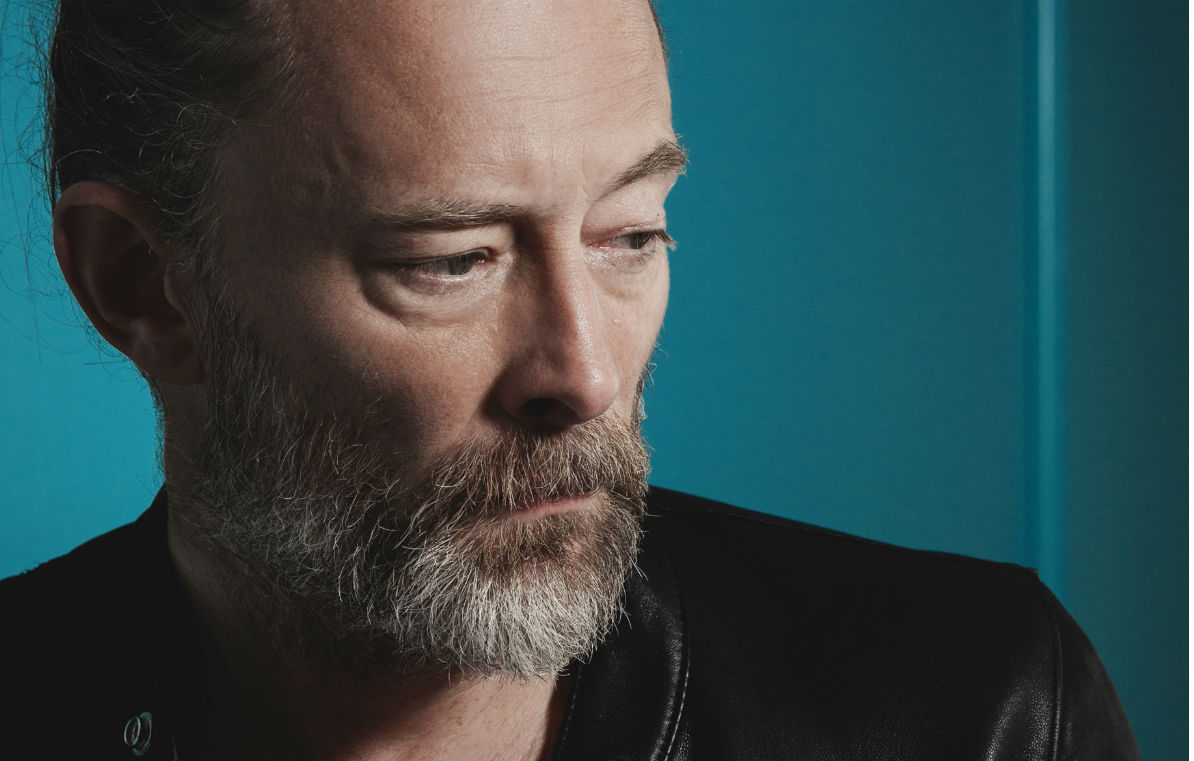
Saranno stati gli incubi notturni dopo la visione del Suspiria di Luca Guadagnino o lo spleen del Lido di Venezia, rabbuiato dai temporali. Oppure, più stupidamente, la mia ansia di giornalista che aspetta di intervistare una delle sue ossessioni musicali da quasi vent’anni. Fatto sta che mezz’ora prima di salire al terzo piano dell’Hotel Excelsior ho ingollato un bicchiere d’acqua con qualche goccina di benzodiazepina, raggiungendo abbastanza in fretta quella quiete liquida che ho spesso associato all’ascolto dei Radiohead, a partire dal loro Kid A del 2000. Strano, ho pensato, che una voce così sedante si associasse a un film tanto ansiogeno come il remake del film cult di Dario Argento. Insomma, le gocce stavano facendo il loro dovere.
Nella stanza fine secolo dell’hotel ci sono gli altri tre giornalisti invitati alla round table: un israeliano che rimarcherà il fatto di essere israeliano durante tutta l’intervista, chiedendo solo di questioni riguardanti il suo Paese; una giapponese che rimarrà in silenzio sempre, un vero mistero; e un’inviata australiana agée, caschetto e occhiali sbarazzini, una versione new wave di Natalia Aspesi, che si dimostrerà nel giro di pochi minuti una incredibile stronza.
Arriva Thom Yorke e l’ingombrante presenza del suo karma riempie subito la stanza. È cool e scazzato come me lo ero immaginato, la sua fidanzata – l’italiana Dajana Roncione – lo segue a qualche metro di distanza e si va a sedere solitaria dall’altro lato della stanza. Neanche il tempo di una tazza di caffè americano, che subito il cantante/divinità viene aggredito dalla giornalista australiana: “Come ti senti a esserti fidanzato dopo la morte della madre dei tuoi due figli? Come hanno reagito i ragazzi?”. Io l’avrei presa a male parole, Thom, invece, si limita a chiudere gli occhi in una smorfia contratta, e dice un “no comment” a cui segue un respiro lungo e profondo, che rilascia nell’aria altre simil-benzodiazepine. L’arpia australiana tornerà più tardi alla carica per altre due “incursioni” – sempre sgradevoli, sempre personali o su Rachel Owen, compagna del cantante per vent’anni, morta di cancro nel 2016 – vincendo il premio come peggior giornalista che abbia mai avuto il piacere di incontrare.
È il turno del signore da Tel Aviv, che chiede conto dell’esibizione dei Radiohead nella città israeliana nel luglio dell’anno scorso, nonostante le proteste e le richieste di cancellazione da parte di colleghi come Roger Waters e Brian Eno: “Sono felice di esserci andato – risponde Yorke -, volevo solo suonare per il pubblico del posto. C’è della gente che ce lo rinfaccerà sempre, e credo sia questo il prezzo da pagare. Secondo la loro opinione siamo scesi a compromessi con i nostri principi. Ma va bene così”. L’aria inizia a pesare, apriamo le finestre rivolte al mare, e lo iodio ci dà la spinta per superare l’impasse iniziale di questa intervista in salita. Prendo la parola.
Hai chiesto qualche consiglio a Jonny Greenwood – chitarrista suo sodale nei Radiohead, nonché autore delle musiche per i film di Paul Thomas Anderson da Il Petroliere a Il Filo Nascosto – per la tua prima colonna sonora, quella di Suspiria?
Sì, anche se mi ha preso per il culo (Thom ride), soprattutto per il modo in cui lavoro. Mi circondo sempre di un certo livello di caos, mentre lui è molto più metodico. Ma gliel’ho visto fare per anni, quindi in un certo senso avevo già capito come muovermi in questa avventura, seppur non completamente. Mi ha dato qualche dritta, tipo: “Scrivi in astratto, non scrivere per lo schermo, perché non ci sei abituato. Fallo solo quando devi”. Un buon consiglio. Mi ha detto di lavorare sulla sceneggiatura, prima che iniziassero a darmi altro materiale. Infatti, dopo due o tre settimane dalla lettura della sceneggiatura, avevo già un’idea chiara della direzione che avrei intrapreso. Però non sapevo come sarebbe andata a finire.
Che problemi hai incontrato?
Il passaggio più difficile è stata la scena di danza principale. Quella sequenza è stata coreografata e filmata prima che io potessi scrivere un brano su cui danzare. Ho incontrato il coreografo, e mi ha spiegato come voleva che fosse, mi ha spiegato tutti i principi matematici su cui mi sarei dovuto basare e ho pensato: “Merda, non scriverò mai questa musica. Non riuscirò a renderla mia”. Quindi ho sviluppato un processo per… dimenticarmene. Per trovare la mia strada, ci sono voluti diversi tentativi per individuare “l’ingresso”. È stato abbastanza spaventoso vedere quella scena, guardare una cosa “finita” e dover scrivere musica con la stessa intensità. Ho fatto mille tentativi, ma non funzionava. D’altra parte mi ricordo di una conversazione che ho avuto con Luca (il regista Guadagnino, ndr) prima di iniziare a lavorare sul film. Eravamo in un bar, a Londra e disse: “Voglio un orologio, qualcosa di semplice”. Io avevo un’altra idea, più legata al suono, al modo in cui riempire lo spazio con diverse derivazioni melodiche. Ed è proprio quello che è successo. Alla fine, personalmente, quella scena è stata il momento più bello del film durante la proiezione di ieri sera. Ho pensato: “Ecco, è così che volevo che fosse”.
Come mai è così difficile scrivere musica per i film?
Non lo so! (ride, di nuovo!) Non lo so, cazzo.
Te l’avevano già proposto?
No, Luca è stato l’unico abbastanza pazzo da credere che io potessi farcela. Anni fa ho incontrato Edward Norton, che è un mio buon amico. C’era la possibilità di fare la musica per Fight Club, ma non era il momento giusto: eravamo appena rientrati dal tour di OK Computer e non riuscivo nemmeno a pensare lucidamente, figuriamoci scrivere una colonna sonora. È stato un peccato, in realtà.
Parliamo della sceneggiatura: qual è la tua connessione emotiva con la Berlino degli anni ‘70 e la sua scena musicale? Quella Berlino è al centro di Suspiria, e non mi riferisco solo al poster di David Bowie appeso nelle camere delle ballerine.
Ero entusiasta. Nel primo periodo di lavoro, mentre costruivano il set, ho incontrato il team che si occupava della direzione artistica e per me è stato un sogno lavorare su quel periodo storico. Anzi, mi sarei spinto più indietro del ’77, avrei lavorato sulla musica krautrock, sui Tangerine Dream, sulla prima era dei sintetizzatori. Non so, c’è qualcosa in quell’estetica – non mi riferisco necessariamente a Bowie -, ci sono una libertà e un’energia che erano normali in quel periodo storico, e che ora sembrano speciali. E mi affascinano davvero molto.
Molti artisti scelgono ancora Berlino per scrivere o produrre, forse proprio per il fascino di cui parli. Tu, però, non l’hai mai fatto.
Mi piacerebbe. Ma i miei figli vanno a scuola. E, insomma, non è facile.
E siamo arrivati alla seconda “incursione” della terribile giornalista australiana. Chiede a Thom se adesso i figli li cresce da solo, quanto è stato difficile per loro accettare la perdita della madre, e che rapporto hanno con la sua nuova compagna. La risposta è sempre il solito “no comment” zen, ma questa volta dall’enorme anello che indossa esce una luce rossa, un puntatore laser, tipo spada di Star Wars, pronta a trafiggere l’imbarazzo spaziale che si è generato. È la creazione di un suo amico, il fashion designer giapponese Jun Takahashi, spiega Yorke, schivando così l’ennesimo fendente della reporter.
Hai ascoltato la colonna sonora originale, quella dei Goblin, prima di metterti al lavoro sulle musiche di Suspiria?
Certo. Mi piace molto la roba dei Goblin, e in realtà ho conosciuto prima loro del film. Non sono mai stato un grande cinefilo, e non conoscevo l’opera di Dario Argento. La cosa interessante è che prima di mettermi al lavoro avrò guardato decine di volte la sua versione del film: mi ha colpito la velocità e la tensione con cui devono aver scritto tutto allora. La loro scrittura è davvero estrema, fuori tempo, in qualche modo è la narrativa del film. É come se il film fosse un videoclip rock molto esteso, mentre questa volta è una cosa diversa. In un certo senso è stato un sollievo guardare la nuova versione, ho pensato: “Meno male, non c’entra nulla col primo Suspiria”. Luca ha creato un mondo completamente diverso.
Non sei un cinefilo, ma che cinema ti piace?
Non c’è un genere in particolare. Sono un noioso appassionato di Kubrick.
Ti piace l’horror?
Sì. Devo confessare che – forse non era la cosa giusta da fare – ai tempi di OK Computer, quando ero in difficoltà, mi mettevo nel nostro tour bus a guardare L’esorcista. Mi piacciono i film che fanno davvero paura. Ultimamente mi è piaciuto tantissimo Babadook, il film del 2014 di Jennifer Kent.
La Kent in questi giorni è a Venezia per presentare il suo nuovo The Nightingale.
Lei è fucking cool!
È la prima volta che vieni al Festival? Che te ne pare?
Non è il mio mondo, mi sento un pesce fuor d’acqua. Sono tutti a fare foto.
Non te la vivi bene, è questo che stai dicendo?
No. Diciamo che non mi sono messo in una posizione naturale. Sono qui perché sono molto orgoglioso di quello che abbiamo fatto, della musica che abbiamo creato, e questo mi ha costretto ad andare in un posto in cui non avrei mai scelto di andare. Sto andando in posti dove normalmente non andrei. Ma è meglio sentirsi fuori posto…
Meglio sotto i riflettori e i selfie?
I fucking hate it! È una cosa che mi fa impazzire, la gente che si mette lì, ti abbraccia e si fa l’autoscatto. E quando dici no, lo fanno comunque. Ti camminano in faccia e si fanno la foto. Se qualcuno inventasse un congegno per sabotare le fotocamere, un disturbatore di segnale, pagherei un sacco di soldi per averlo.
Però sei presente sui social network.
Sono su Instagram da poco, e su Twitter. Ma non capisco quello che dice la gente. L’energia che c’è lì dentro. Conosci Jaron Lanier (il suo ultimo libro Dieci ragioni per cancellare subito i tuoi account social è stato da poco pubblicato per i tipi de Il Saggiatore, ndr)? Per me è un genio. Il modo in cui ha spiegato come i social modifichino il nostro comportamento, come interagiamo tra di noi, è incredibile.
E siamo alla terza, brevissima “incursione” della nostra nemica australiana. “Metti dei limiti ai tuoi figli sull’uso dei social?”. La risposta è un po’ diversa dalle precedenti: “Questa è troppo personale”. Fine delle “incursioni”.
Hai visto gli altri film di Guadagnino?
Non ho ancora visto Chiamami col tuo nome, perché pensavo che mi avrebbe confuso. Ho visto Io sono l’amore.
Ti è piaciuto?
È bellissimo.
Come hai conosciuto Luca?
Mi ha cercato lui. Mi ha scritto una lettera e la mia compagna ci ha messi in contatto. C’era qualcosa nel modo in cui parlava, sembrava sicuro che io potessi fare quello di cui aveva bisogno. È una cosa che mi ha fatto riflettere, di solito sto alla larga da queste proposte (altra risata).
Credi di essere riuscito a fare quello di cui Luca aveva bisogno per il film?
(Ride) Lo devi chiedere a lui! Ho fatto quello che ho potuto. Tutto il processo è stato costellato di momenti comici. Lui mi diceva (imita l’accento italiano): “Darling, I need…” – “Tesoro, ho bisogno di!” (Ridono tutti). Sono il primo a imitarlo?
Sembri in un periodo felice della tua carriera, l’ho notato vedendo il tuo concerto a maggio a Milano.
Quello da solista o l’altro?
Da solista. Ballavi, sembravi molto divertito. Diverso dal passato…
È vero, anche rispetto ai Radiohead. Credo che la differenza sia questa: non sono a mio agio creativamente, ma lo sono con me stesso, con quello che ho scelto di fare nella vita. Ora i concerti sono quasi una celebrazione. E c’è anche un’altra cosa: fino a oggi non mi era mai piaciuto fare lo show sul palco. Poi ho visto Michael Stipe, uno naturale, che performa sempre, e ho cambiato idea. Sì, mi piace stare sul palco adesso, mi piace che sia una cosa fisica.
Cosa cambia rispetto a quando c’è tutta la band?
É davvero diverso. In realtà non so perché, non ne sono venuto a capo. All’improvviso sono sul palco e non c’è nessuno in giro. È una cosa insolita, quasi teatro. Ma io non sono un attore (ride).
Fai cose fichissime da un sacco di tempo. Avrai una sorta di “segreto del tuo successo”…
(Lungo silenzio) Sono incapace di fare quello che la gente vuole che io faccia. Sembra una maledizione, ma è una benedizione. Come band siamo sempre stati incapaci di fare quello che era necessario.
Per esempio?
Musicalmente. Il processo di creazione è e deve essere difficile. Io mi innervosisco quando si fa semplice. Il motivo per cui ho scelto questo film, in primo luogo, è stato proprio quello di uscire dalla mia comfort zone. Se ti senti troppo a tuo agio, allora sei nel posto sbagliato. Devi sentirti un po’ fuori, come se non sapessi cosa sta succedendo. Questo è il mio segreto, inseguire quel posto e riuscire a tornarci. È così che getto fuori tutta la merda, così da ritrovarmi a dire “Ok, sono nel posto giusto per creare”.
Per me è stato un po’ come aver intervistato Dio. Con la differenza che avevo più cose da chiedergli. Purtroppo il tempo a disposizione era finito e me ne sono andato senza neanche un selfie. Ma mi sono portato dietro comunque un po’ del karma magico di Thom Yorke che, unito all’effetto calmante delle goccine, ha trasformato per qualche secondo la terrazza dell’hotel del Lido in un’arena rock dove poter timidamente sussurrare stonando “This is a low flying panic attack, Sing a song on the jukebox that goes” (da Burn the Witch dei Radiohead). Sì, l’attacco di panico a bassa quota per ora è passato.