As origin stories go, Radiohead’s is entertainingly un-rock & roll. A boy playing Lysander in his public school’s production of A Midsummer Night’s Dream (an already impossibly tall Ed O’Brien) found a friend in the pupil in charge of its score (a disgruntled Thom Yorke, who later swore at their teacher). Along with Colin Greenwood, Colin’s younger brother, Jonny, and Phil Selway, they began playing together on Fridays, after school, in their music room. This connection has now lasted nine albums, many tours, and 35 years.
O’Brien’s decision to record solo material, however, made him feel awkward. He tackles head-on in his debut album’s press release: "Thom, Jonny and Phillip were making music. The last thing the world needed was a shit album by me." He had never felt driven to be a solo artist before, his teenage kids were getting older, and he suddenly he felt compelled to get going. Where he’d moved to helped, too: Wales’ remote Cambrian Mountains. He talks about it with a spiritual fervour that could verge at any moment into being full-on Spinal Tap, but he manages to remain in the realm of boyish glee. "It’s been a bit like falling like love, moving here," he says, sounding more like 25 than 52. He’s hard to stop talking as well, not that you’d want him to. This delight also shimmers through Earth, his LP, which he recorded as EOB. It’s hugely inspired by Brazilian music, which he got into while living in the country for seven months seven years ago; he had a eureka moment while experiencing carnival, he says, realising he wanted to make music full of joy. It also has weighty personnel. Flood produces, Laura Marling sings on it ("it was so lovely to be with someone so experienced at songwriting," he says, before quickly adding, "other than Thom, of course") and Portishead’s Adrian Utley and The Invisible’s Dave Okumu also contribute.
"All these amazing people took my phone-call, which made me feel totally unworthy," he says. He sounds so genuinely flabbergasted that you believe him. "It also made me realise – although this might sound totally ridiculous – that Radiohead have a standing that I haven’t really thought about before. I’m ridiculously lucky. It’s really nice to share that love."
EOB’s Earth is out now, click the image of Ed below to begin reading his Baker’s Dozen
1. Jorge BenJorge Ben
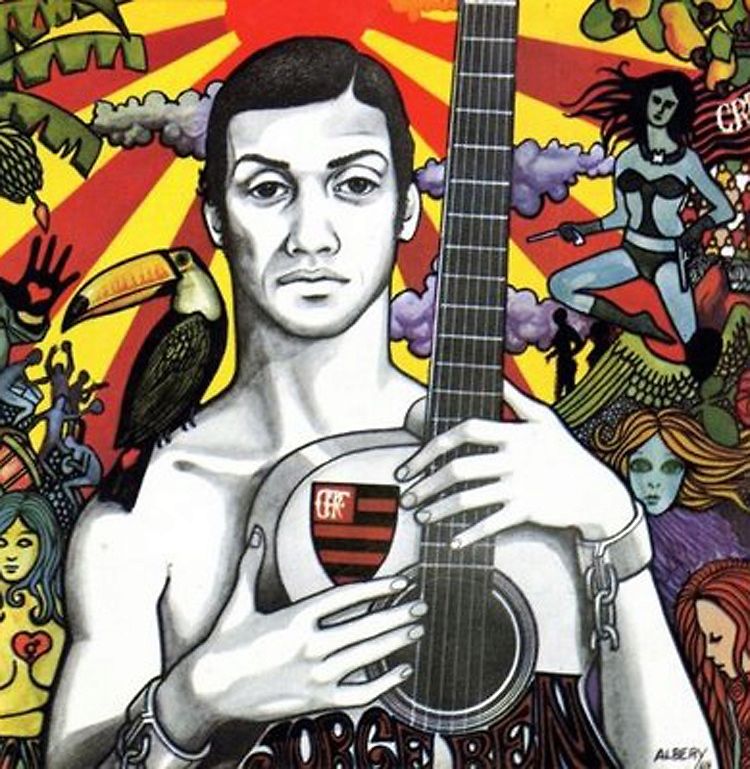
This is a perfect record, It’s heart on sleeve music, which is absolutely what I wanted to try to make on my album. Brazil is a very important place for me in terms of its music and culture; it’s the first place I lived in where I felt I got pulled out of a bubble, and had to stand on my feet in a different culture to mine, and Jorge Ben is one of its greatest figures. He was so important in the bossa nova era, and a pivotal person in tropicalia – Caetano Veloso and Gilberto Gil looked up to him like a brother, as he was older. There’s so much in that country’s art that’s about richness and magic, like the writing of Gabriel Garcia Marquez, as well. In many parts of England, you have to pretend to down nine pints to get into that frame of mind. That’s probably why other cultures appeal to me.
2. Led ZeppelinLed Zeppelin IV
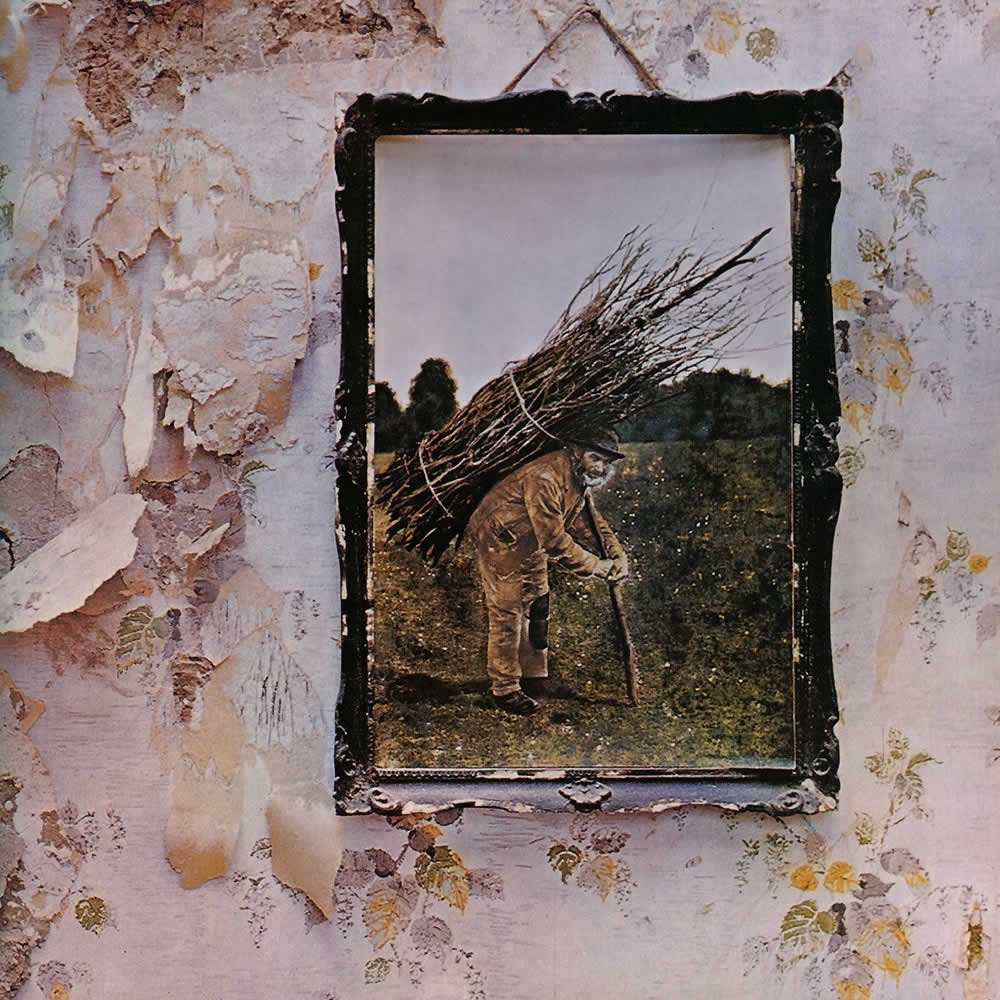
That said, I love the more ancient sides of British culture as well. This reminds of a really broody, Autumnal day years ago – when there was all this low, grey cloud – when I decided I was going to go to the Avebury Stone Circle. When I was first there, it was deserted and perfect. A little while later, I heard a break in the quietness –someone else had arrived. Then I heard these big footsteps, and Robert Plant – Robert Plant appeared from behind a stone! It was an absolutely perfect moment. I was too shy to say anything, of course, but when I was leaving, there he was at the car park, and, argh, his car was next to mine. I got into the driver’s seat, I caught his eye, so I wound down the window…and I just couldn’t think what to say, so I just grinned and gave him a big thumbs-up! We’ve met properly since, but whenever I think of Led Zeppelin, I think of him emerging from the mists like a druid. I also didn’t hear this until I was 27, and then I was all, oh, no wonder they’re so popular, this is fantastic! Music was tribal to me when I was a teenager. I was a real indie kid who didn’t listen to rock at all. Now I listen to it often, and I think of the house where they made this album, the other side of the mountains to where I live, and it really feels like this music comes from this very old, rooted place. And ‘The Battle Of Evermore’, with Sandy Denny’s voice – I love how the whole of the end-of-the-60s British folk moment is caught up in the way she sings. I love the way those traditions connect us to something deeper.
3. Talk TalkSpirit Of Eden
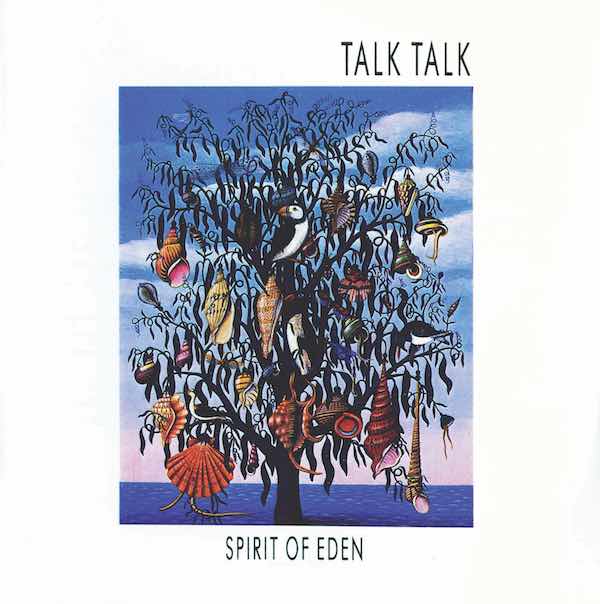
Sorry to pick this. Just saying the title’s enough, really, isn’t it? I know it’s really obvious, but it’s such a masterpiece. It’s been strangely hard picking my albums for this, as lots of things don’t resonate with me now like they used to when I was younger. I’ve been listening a lot more to classical and choral music in the last year, for example, but this fits in with that, because this is sacred music. It’s music that transcends genre. Every track is profoundly beautiful – and I say that having liked Talk Talk before this, too. I remember the first album coming out at the same time as Duran Duran’s Rio, and people comparing them, then hearing The Colour Of Spring. ‘Life’s What You Make It’ was a big song when I was at sixth form. But this album… this is a bigger thing. I still love it so much.
4. Scott WalkerScott 3
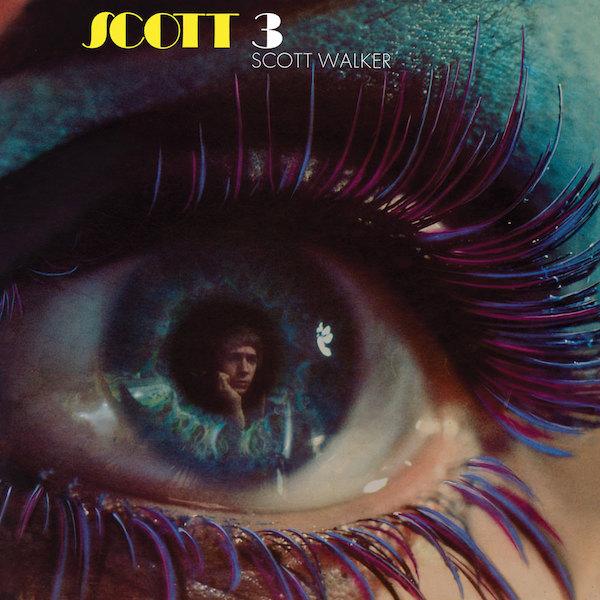
Argh, I’m changing my mind now. Do I pick Scott 3 or Scott 4? Err…oh God, this is hard. Sorry. OK, I’ll go for 3, purely because my wife and I were listening to it in the kitchen yesterday. Scott 4‘s my most-played album on all of my devices at home – it’s literally been played three times more than any other record. But Scott 3…there’s something especially moving about it right now. The end of ‘Sons Of’, that final moment. We both in tears at the end of it last night. Blubbing like idiots while making supper. Among Radiohead, Scott Walker’s definitely our unifying artist. First of all, it’s his voice: it’s just undeniable in its power. Then there’s the Wally Stott arrangements, all this extraordinary instrumentation. To think that he was doing jingles and TV adverts at the same time. There’s such craft in his albums, and such constant inspiration.
5. Michael KiwanukaKiwanuka
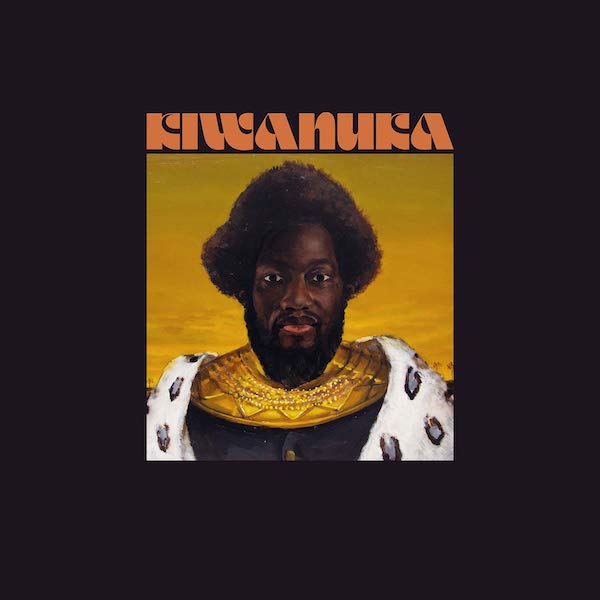
Looking at my choices earlier, I was thinking, why haven’t you got anything more recent, old man? I’ve really loved Little Simz’ Grey Area recently, but I haven’t lived with it quite long enough. This I have. Michael’s a fantastic artist. I loved his last album, Love and Hate, but then this came along. It’s absolute soul music, deep and powerful, one of those records that instantly gives you the strong feeling that it’ll stay with you for the rest of your life. It’s got such a great first track, ‘You Ain’t The Problem’, but by the time you’re at track 4, ‘Piano Joint’, you’re just in another world. When I listen to a song, I want to be taken on a journey, and this takes you really deep. The whole thing. My only gripe’s that I’d rather it on two sides of vinyl rather than four. Basically, I’m a lazy old man. But it’s very minor, don’t worry!
6. Vladimir AshkenazyChopin: Nocturnes
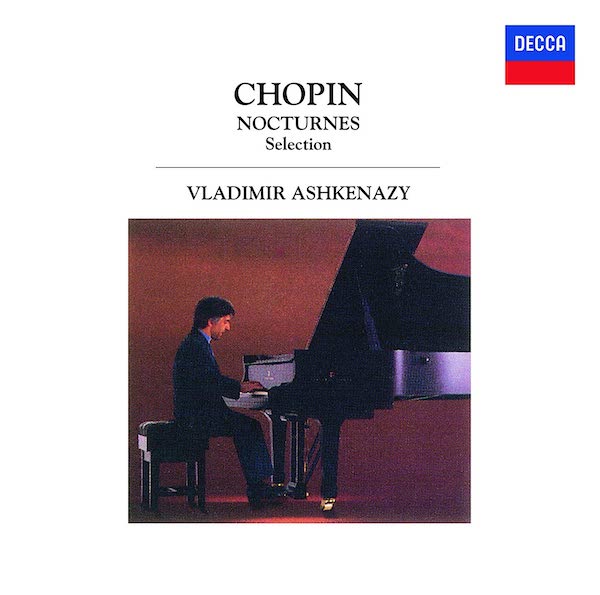
Classical music reminds me a lot of when I was growing up. I learned violin and trumpet in school, and I sang; my mum listened to classical music a lot, too. All of it I discarded at thirteen, of course, when I became a teenager, as you do. But Bach, Mozart and Beethoven were always there at home. They were this incredible musical wallpaper. I didn’t know Chopin’s Nocturnes, though, until my wife introduced me to them about twenty years ago. Because of that, they’re very dear to me. This music is properly of the night in its melodies, and the sparseness of its arrangements. The playing by Ashkenazy is incredible, too. It’s music that goes straight through you, in the best possible way.
7. Faure’s Requiem
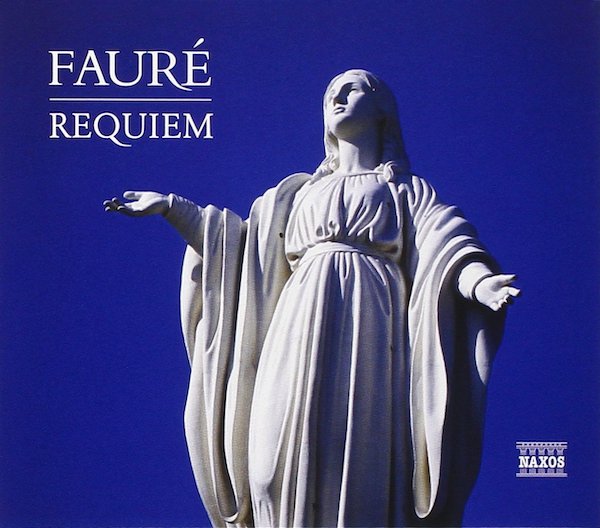
Any recording of this just kills me. Faure’s writing feels incredibly contemporary to me, in the way the melodies and harmonies move. The ‘Paradisum’ has a quality about it that reminds me of Massive Attack’s ‘Teardrop’, or maybe it should be the other way around. I also sung this in my boys’ choir at school – I was a boy treble before my voice broke. Usually, I was more interested in the coach trips to concerts, the mucking about in the back row of the bus, as much as performing. But I remember us singing at Malvern Cathedral, surrounded by candles, and what a profoundly beautiful moment it was. Every now and then, odd moments from childhood just bounce back at you, and I’m always happy when it’s this one.
8. Marvin GayeWhat’s Going On?
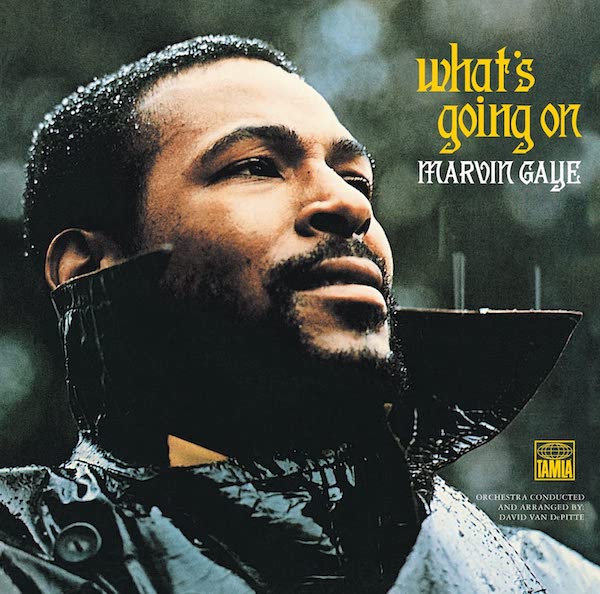
This takes me back to when we were on tour in America with The Bends, and we had all our equipment stolen. We only had three days to buy more. I remember Jonny and I travelling into this guitar shop in San Francisco, where I saw this Telecaster Strat I fell in love with, then me, Colin, Jonny, our soundman and our tech hiring this van to drive six hours north. We had only one cassette to play in it, which had Swervedriver’s Ejector Seat on one side and Marvin Gaye’s What’s Going On on the other. I’d never heard it before. I was like, what is this? Oh my God! All I knew about Marvin Gaye was that he’d been involved in Motown. After this, I got trainspotterish about the album, and its band, The Funk Brothers, and how they made music. This was really influential on the way I made music from that point. Before that, my bands were Pixies, Nirvana, The Posies and other grunge stuff, but I’d more or less reached a saturation point with all that by 1995. Hearing What’s Going On? was like suddenly hearing music in five dimensions; it really made me think about how I wanted to contribute sonically to OK Computer. I thought ‘Inner City Blues’ was the greatest song I’d ever heard in my life, and it’s still up there for me. This music felt like truth. It elevated and transported me. It was music that made me love the music I was trying to make.
9. Various ArtistsOrfeu Negro: Original Film Soundtrack
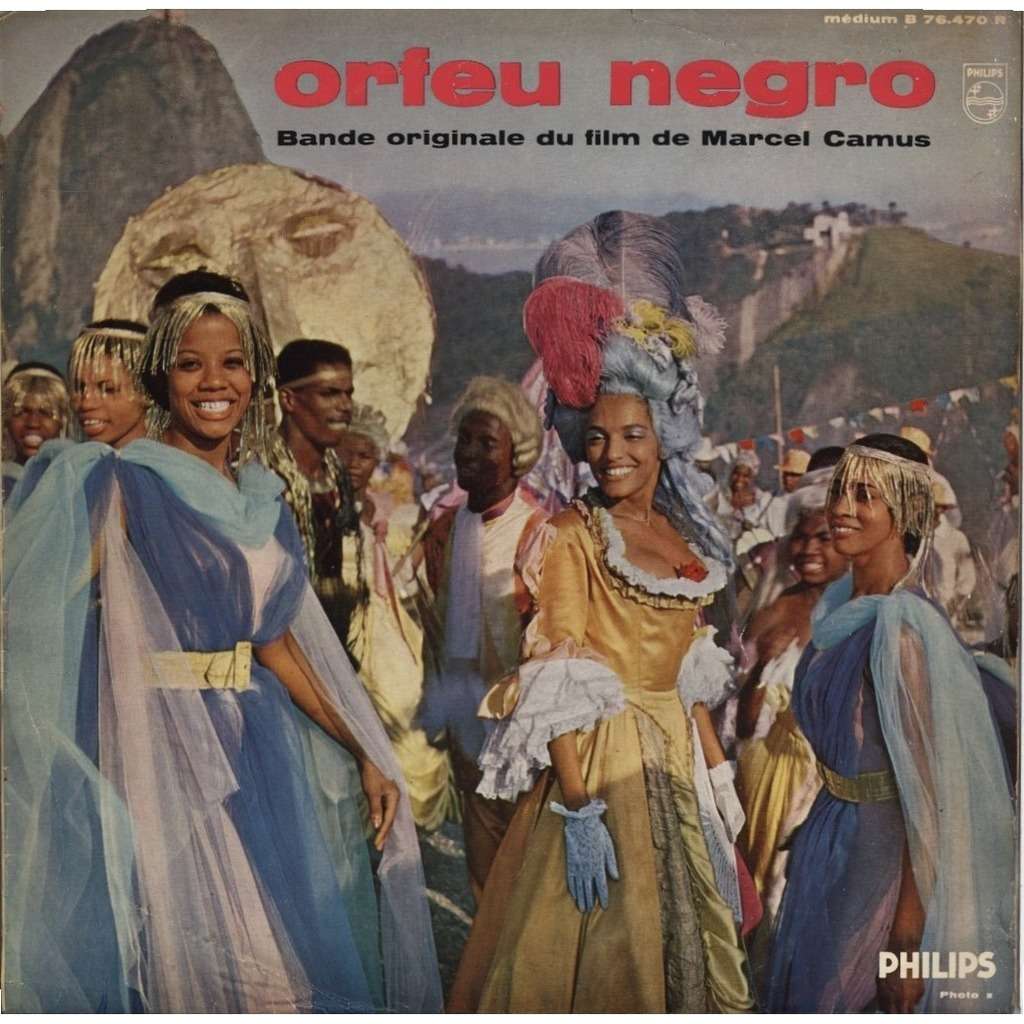
This is from a fantastic 1950s film that exposed Brazilian music to the outside world. It’s the story of Orpheus set to Brazilian carnival, and it’s very beautiful, melancholic, and full of these really captivating rhythms. I got into it first on tour doing OK Computer, a time where I felt very lost, personally and emotionally, which felt ridiculous when I was on the top of the world with my band. Inside, I needed to sort my shit out, and this album allowed me to cry. A few years later, my first son kicked for the first time when he heard his, and that’s why we called him Salvador.
10. Bill WithersBill Withers Live at Carnegie Hall
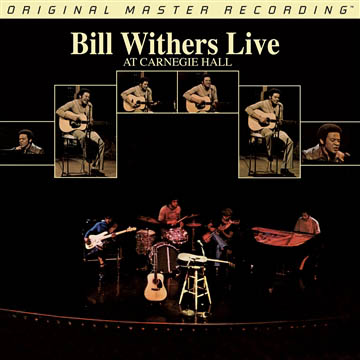
I remember first listening to this during the OK Computer tour, too, with Colin [Greenwood]. The only thing I’d really known by him before – Bill, I mean, not Colin,– was ‘Lovely Day’. When I’d got into him, he’d retired from the music industry, but years later, a documentary, Still Bill, came out about why he’d done that, and I’d really encourage any fan of his to get hold of it. He’s just this lovely family man, doing joinery, talking about how he doesn’t want to make music for the sake of it in this really lovely, gentle way. There’s a wisdom in his personality, too, a wisdom really comes out in his singing voice, and his music. He doesn’t come across as an artist driven by the need to express himself creatively either, which is interesting. He comes across as a human being, a husband and a father before he’s a musician. He talks about why that’s important, and that really resonated with that way of thinking.
11. Primal ScreamScreamadelica
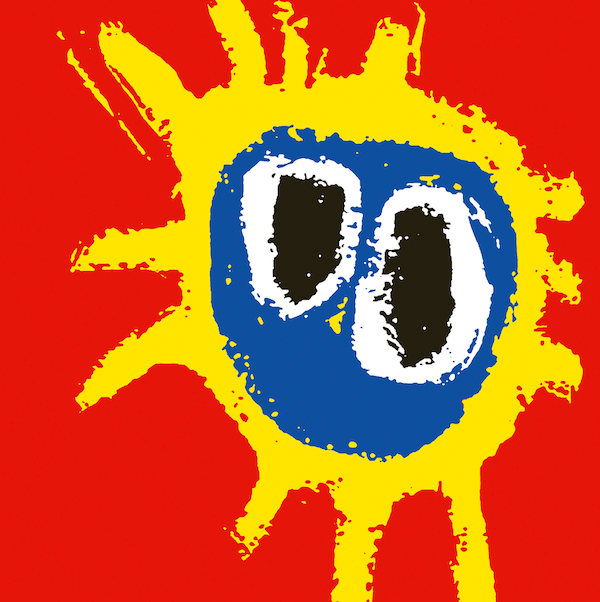
Listening to this in Brazil a few years ago was a proper Eureka moment for me. We’d moved to the middle of nowhere for seven months, and I decided to properly have some time properly listening to music, so got a lot of stuff off Thom on a hard drive. I was really into Burial and that side of dubstep back then. Stuff that works perfectly underneath railway arches at 3am strangely enough didn’t resonate on the edge of the rainforest, though. What did was Screamadelica. I’d first heard Loaded when I was studying at Manchester University in 1990. I remember it coming out after ‘Fools Gold’ and ‘Hallelujah’, and seeing Primal Scream on a double-header with Looper. I remember thinking, ah, this is good, a bit different for them, but they’re jumping on the bandwagon, aren’t they? Later, ‘Don’t Fight It Feel It’ became the ultimate tune of that time for me.
But away from that time, this album still stands alone. It’s so colourful. It’s like gospel dance music. It’s got all the euphoria of house music, plus the community and love. It reminded me that that moment in culture wasn’t just about the drugs – those drugs were just there to pierce the veil. Music held the ultimate power to bring people up. I want my music to have that joy, that light, that sense of possibility.
12. Erik SatieL’Oeuvre Pour Piano
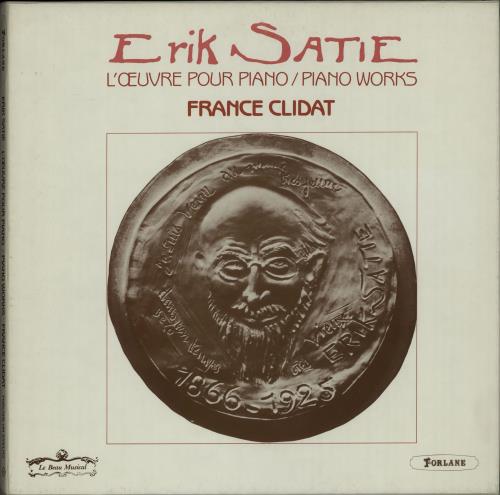
I first heard Satie’s music in one of my favourite films, Peter Sellers’ Being There, when I was younger, about a gardener who lives in the house of a wealthy old man, who has never known anything different, and has to move out after he dies. The music’s there in all these tender moments, it seems to follow the wrong chords, and the movement of the melody is never obvious. It’s ceremonial. It always makes me feel something.
13. Miles DavisIn a Silent Way
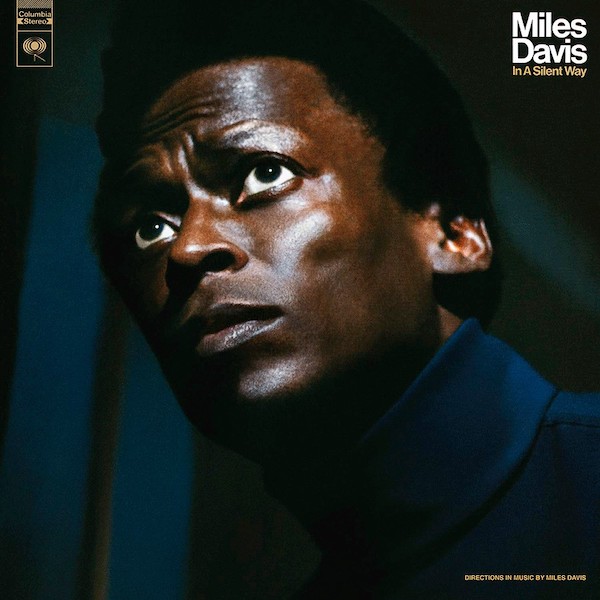
This reminds me of the time I went through a big Miles Davis phase. Talk about going into different worlds with an artist – he did that every time, from Kind Of Blue and Porgy and Bess onwards, anyway. This album’s still the one I return to, from 1969, and the band is phenomenal. You’ve got Herbie Hancock and Chick Corea on electric piano, Wayne Shorter on soprano saxophone, John McLaughlin on guitar. This is truly cosmic music for me, or even music that feels like it’s emerging from the cosmos. As it plays, you feel like you’re coming up with the sunshine.